If you recently read our related article about enhancing natural light with light-filtering shades, you already know how filtering fabrics help diffuse sunlight and create a soft glow inside your home. In this guide, we will take the next step and help you choose the best light-filtering shades for your home’s layout, style, and comfort needs.
Natural light is one of the most valuable design features in a home. It brightens rooms, improves mood, and helps spaces feel larger and more welcoming. Homes throughout Lancaster County—from Lancaster City to Lititz, Manheim, Ephrata, and Mount Joy—often feature large windows designed to capture that beautiful daylight.
However, managing sunlight properly is just as important as enjoying it. Strong afternoon sun can create glare, heat buildup, and fading on floors and furniture. That is why many homeowners explore light-filtering window treatments that soften sunlight while keeping interiors bright.
Why Light-Filtering Shades Work Well in Lancaster Homes
Lancaster County experiences a full range of seasons, from bright summer sunshine to crisp winter days with reflective snow. Because of this seasonal variation, many homeowners want soft-light window treatments that manage sunlight without blocking it entirely.
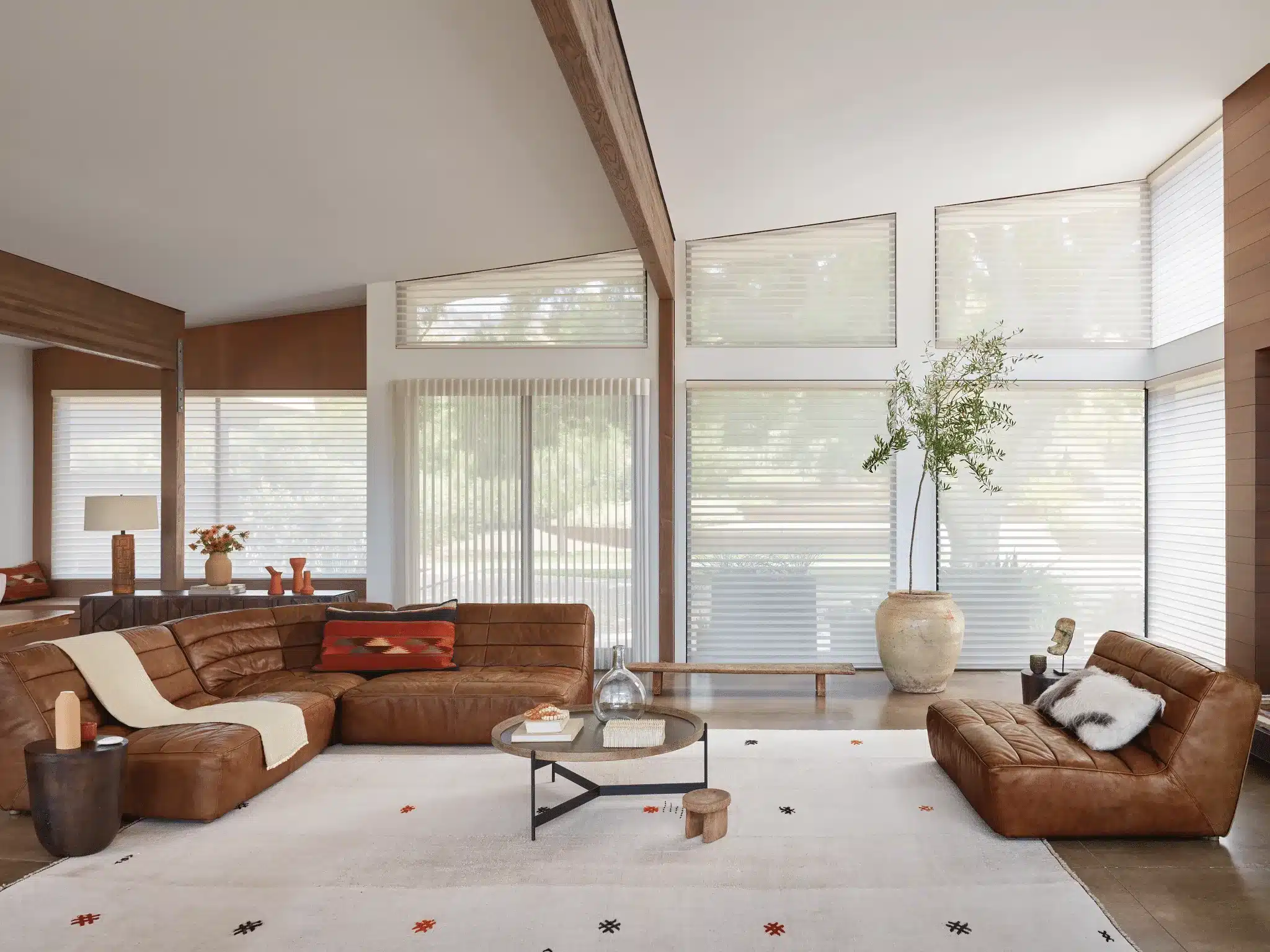
Daylight-filtering blinds are designed to soften incoming light rather than eliminate it. Their fabrics diffuse sunlight evenly throughout the room. This creates a comfortable glow while reducing glare and protecting interior furnishings.
Homes with open floor plans, large picture windows, or sun-facing living areas often benefit the most from these types of sheer window coverings. Instead of closing blinds or curtains during bright afternoons, homeowners can maintain natural light while still enjoying better comfort.
Understanding Different Types of Light-Filtering Shades
Several window treatment styles offer light-filtering fabrics. Each option brings its own design benefits and functionality.
Roller Shades
Roller shades are one of the most popular choices for light filtering. Their smooth fabric panels create a clean, modern look that works well in both traditional and contemporary homes.
Light-filtering roller shade fabrics allow natural light to pass through while reducing glare. This makes them ideal for living rooms, kitchens, and home offices where homeowners want brightness without harsh sunlight.
Cellular Shades
Cellular shades are known for their honeycomb-shaped structure. These pockets trap air and create insulation at the window.
When paired with light-filtering fabrics, cellular shades offer a great combination of soft daylight and improved energy efficiency. This makes them especially appealing during Lancaster’s hot summers and chilly winters.
Roman Shades
Roman shades combine fabric elegance with practical light control. Their cascading folds add texture and warmth to a room.
Light-filtering roman shade fabrics soften sunlight beautifully. Many homeowners choose them for dining rooms, bedrooms, or living spaces where a softer decorative look is desired.
Sheer Shades
Sheer shades are designed specifically to enhance natural light. They combine soft fabric vanes with sheer panels that gently filter sunlight.
This design allows homeowners to maintain outdoor views while diffusing harsh light. Sheer shades work especially well in rooms with large windows or scenic outdoor views.
Dual Shades
Dual shades feature alternating bands of sheer and solid fabric. This design allows homeowners to adjust how much light enters the room.
When aligned properly, dual shades provide light filtering with a modern layered look. They are a popular option for homeowners seeking flexibility and contemporary design.
How Window Direction Affects Shade Selection
One important factor when choosing UV-friendly shades is window direction. Sun exposure changes throughout the day depending on where your windows face.
South-facing windows receive steady sunlight throughout the day. Light-filtering shades help soften this constant brightness while maintaining a comfortable glow.
West-facing windows experience strong afternoon sunlight. These areas often benefit from slightly denser filtering fabrics to reduce glare during peak hours.
East-facing windows receive bright morning light. Light-filtering shades allow homeowners to enjoy that warm sunrise glow without overwhelming the room.
Understanding how sunlight interacts with each window helps homeowners select the right fabrics and shade styles.
Benefits of Light-Filtering Shades for Your Home
Balanced Natural Lighting
The main benefit of light-filtering shades is their ability to distribute sunlight evenly. Instead of sharp beams of light hitting one part of the room, the fabric spreads daylight across the space.
This creates a calm, welcoming atmosphere that feels bright but comfortable.
Reduced Glare
Glare on television screens, laptops, and mobile devices is a common complaint in sunny rooms. Light-filtering shades reduce this glare without darkening the space.
This makes them especially useful in home offices, living rooms, and kitchens.
Protection from UV Damage
Sunlight contains ultraviolet rays that can damage flooring, upholstery, artwork, and cabinetry. Over time, UV exposure can cause fading and discoloration.
Light-filtering fabrics help block a portion of those rays while still allowing soft daylight to enter the room.
Energy Efficiency
By reducing direct solar heat gain, light-filtering shades help regulate indoor temperatures. This can make rooms feel more comfortable and may reduce cooling costs during warmer months.
Cellular shades are particularly effective in this area because of their insulating honeycomb design.
Motorization for Easy Light Control
Many Lancaster homeowners are now choosing motorized window treatments for convenience and smart home integration.
Motorized roller shades and dual shades allow you to adjust natural light with a remote, wall switch, or smartphone.
You can even schedule shades to lower automatically during bright afternoon hours and open again in the evening. This feature is especially useful for tall windows or hard-to-reach areas.
Design Tips for Light-Filtering Shades
Choosing the right fabric color and texture plays an important role in how your window treatments interact with natural light.
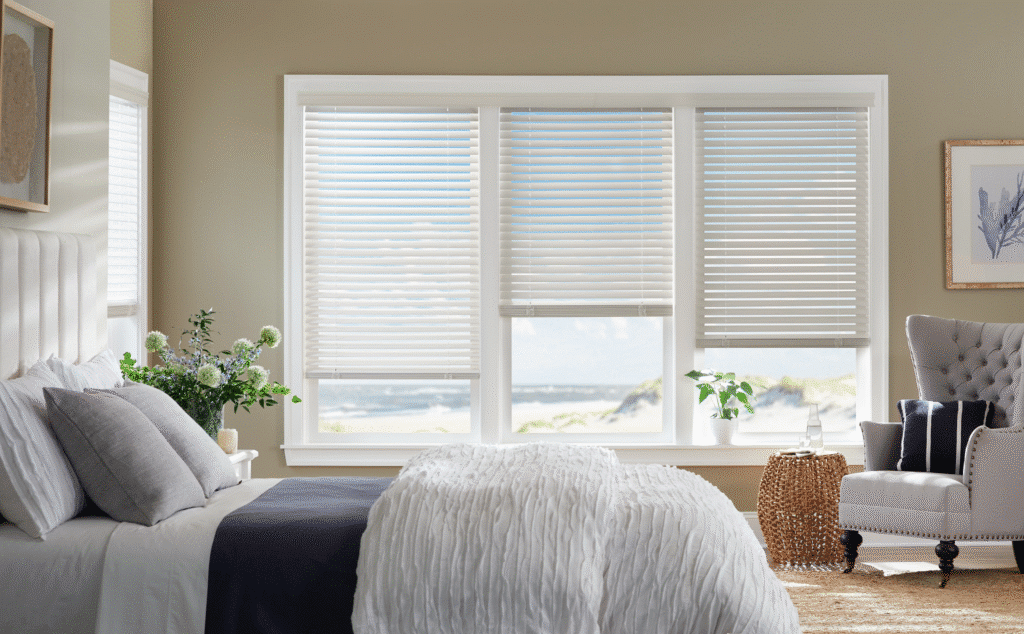
- Lighter fabrics allow more daylight to pass through and create a brighter glow.
- Neutral tones blend easily with most interior color palettes.
- Textured fabrics add depth and visual interest to the room.
- Layering shades with decorative drapery can add softness while maintaining light control.
These small design decisions help homeowners achieve both functionality and style.
Professional Guidance Makes a Difference
Every home is unique. Window sizes, sun exposure, room function, and décor style all influence which window treatments work best.
Working with a professional window treatment specialist allows you to see fabric samples in your own home and compare how they look in natural light.
If you want a deeper understanding of how these fabrics transform sunlight inside a room, be sure to learn more in our related article about enhancing natural light with light-filtering shades.
Seeing real fabric samples in your home makes it easier to choose shades that complement your design style while improving everyday comfort.
Request a Free Consultation
If you are considering light-filtering window treatments for your home, the team at Made in the Shade Lancaster is here to help.
We bring the showroom to you so you can explore fabrics, styles, and motorized options in the comfort of your own home. Our experts will measure your windows, discuss your goals, and recommend filtered light solutions that enhance natural light while improving privacy and comfort.
Request a Free Consultation today to discover beautiful window treatments designed specifically for your Lancaster home.